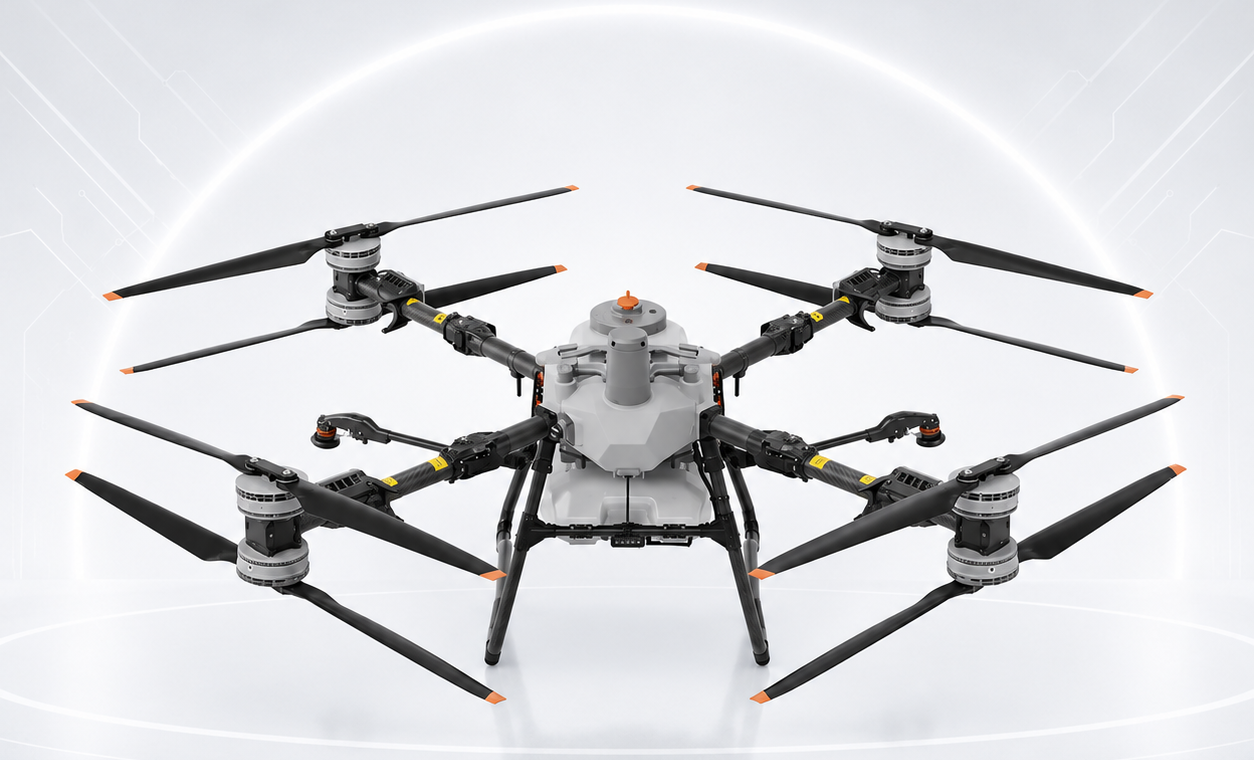
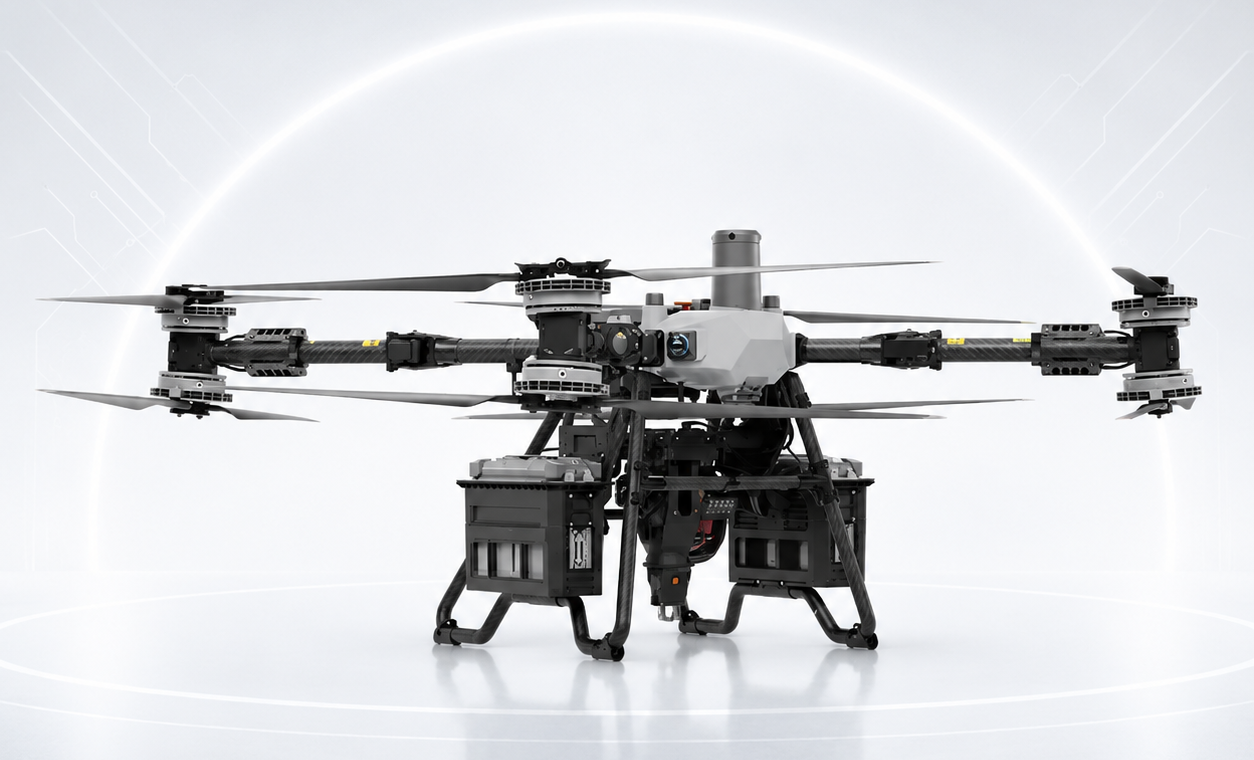
Join Our Dealer Network
Drone Pilot Certification
Before operating a drone for commercial, agricultural, mapping, inspection, or business purposes in the United States, pilots must obtain an FAA Remote Pilot Certificate under Part 107 regulations.
At Syntion Agricultural Technology,
Before operating a drone for commercial, agricultural, mapping, inspection, or business purposes in the United States, pilots must obtain an FAA Remote Pilot Certificate under Part 107 regulations.
Step 1
Pass the FAA Part 107 Exam
Start by creating an FAA Tracking Number (FTN) through the FAA's IACRA system and schedule your exam at an FAA-approved testing center.
The Part 107 Knowledge Test covers airspace regulations, weather, drone operations, emergency procedures, airport operations, and safe flight practices required for commercial drone pilots
Step 2
Obtain Your Remote Pilot Certificate
After passing the knowledge test, complete FAA Form 8710-13 through the IACRA portal to apply for your Remote Pilot Certificate.
The FAA will review your application and conduct the required security verification process. Once approved, you'll receive a temporary certificate followed by your permanent Remote Pilot Certificate.
Step 3
Register Your Drone & Begin Operations
Commercial drones used under Part 107 must be registered with the FAA before operation.
Ensure your aircraft meets FAA registration requirements, follows Remote ID regulations when applicable, and complies with operational limitations including airspace restrictions, altitude requirements, and safety guidelines.
Tips for FAA Drone Pilot Certification
Prepare thoroughly before taking the FAA Part 107 Knowledge Test by studying airspace classifications, weather interpretation, airport operations, emergency procedures, and FAA drone regulations. Understanding these topics will help you operate safely and confidently in the National Airspace System.
Create your FAA Tracking Number (FTN) early and review official FAA study materials before scheduling your exam. Many successful pilots use practice tests to become familiar with the exam format and improve their readiness.
Before every flight, conduct a complete pre-flight inspection of your aircraft, batteries, propellers, and flight systems. Verify weather conditions, airspace restrictions, and mission requirements to ensure a safe operation
Agricultural drone operators should pay special attention to field conditions, nearby structures, power lines, livestock, and local airspace restrictions. Consistent planning and compliance with FAA regulations help maintain safe and professional drone operations.
Advanced Drones for Smarter Agriculture and Delivery
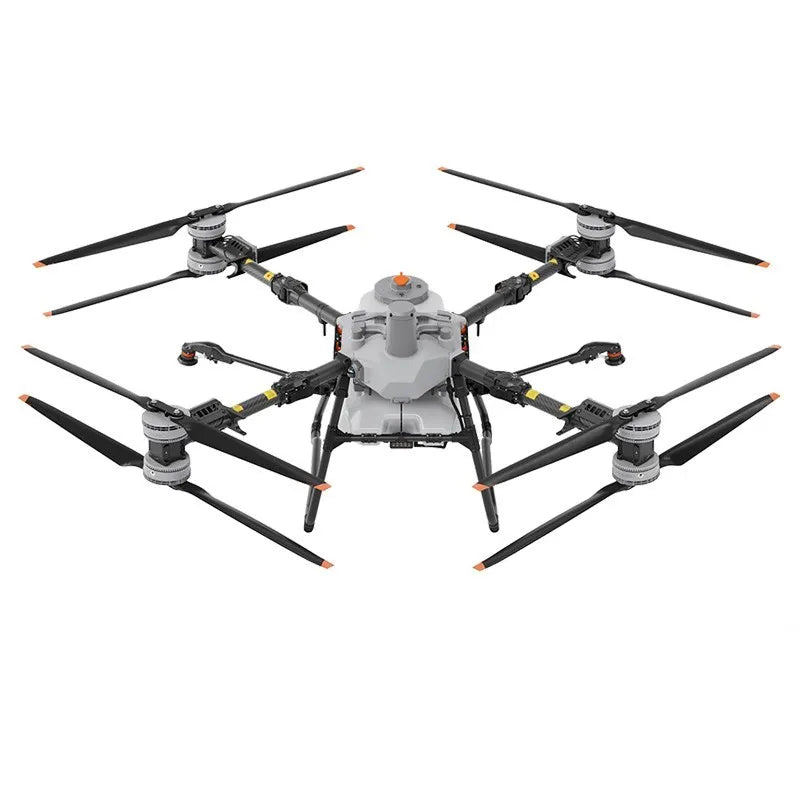
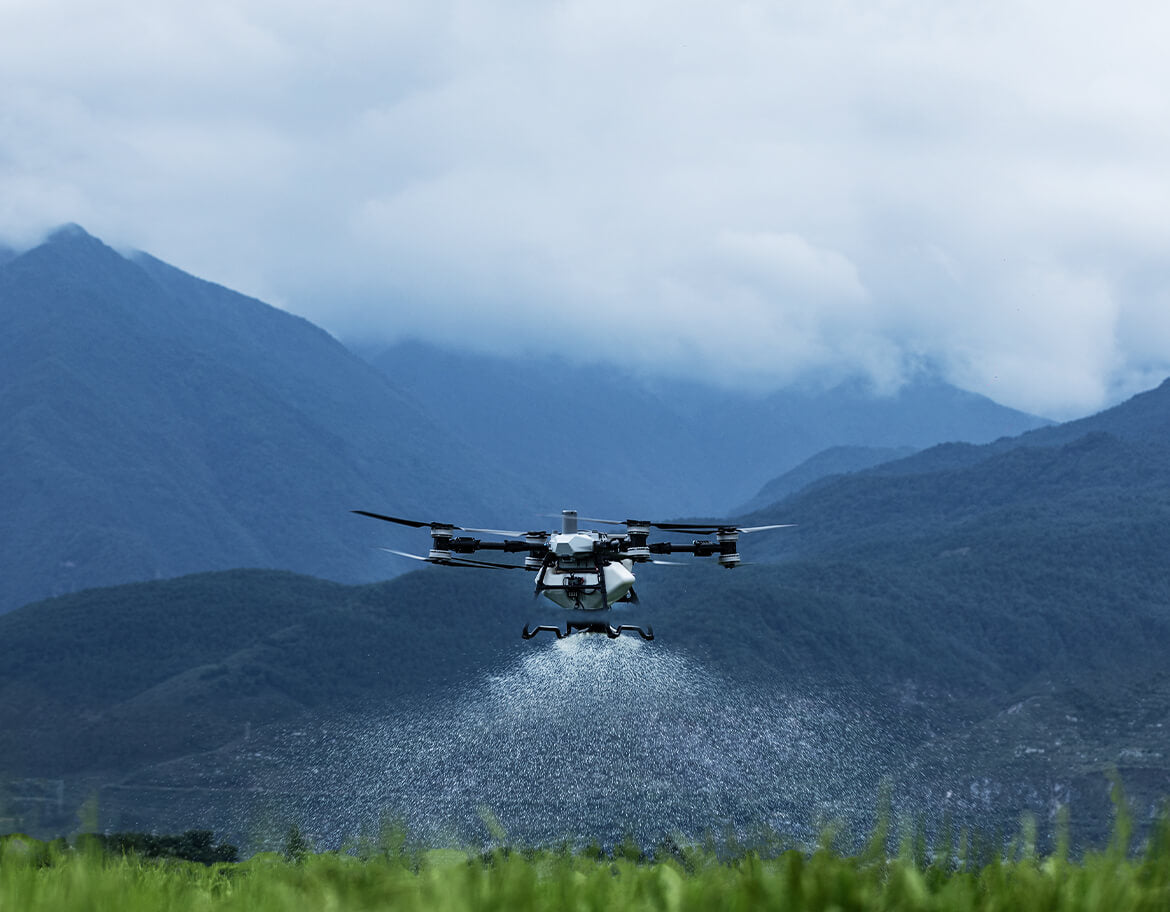
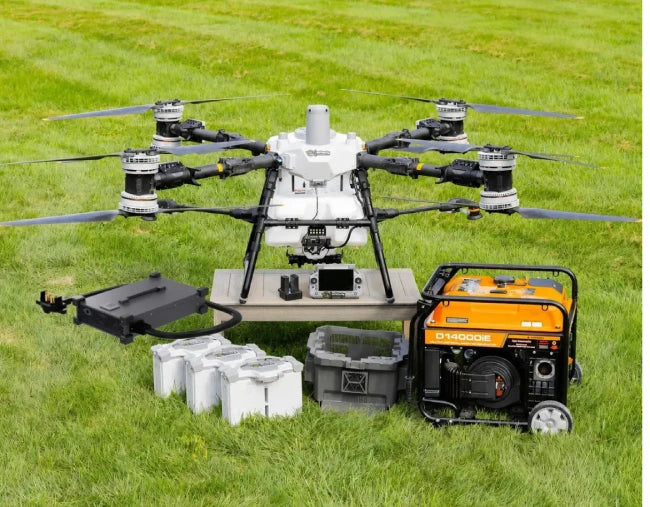
DJI Agras T100
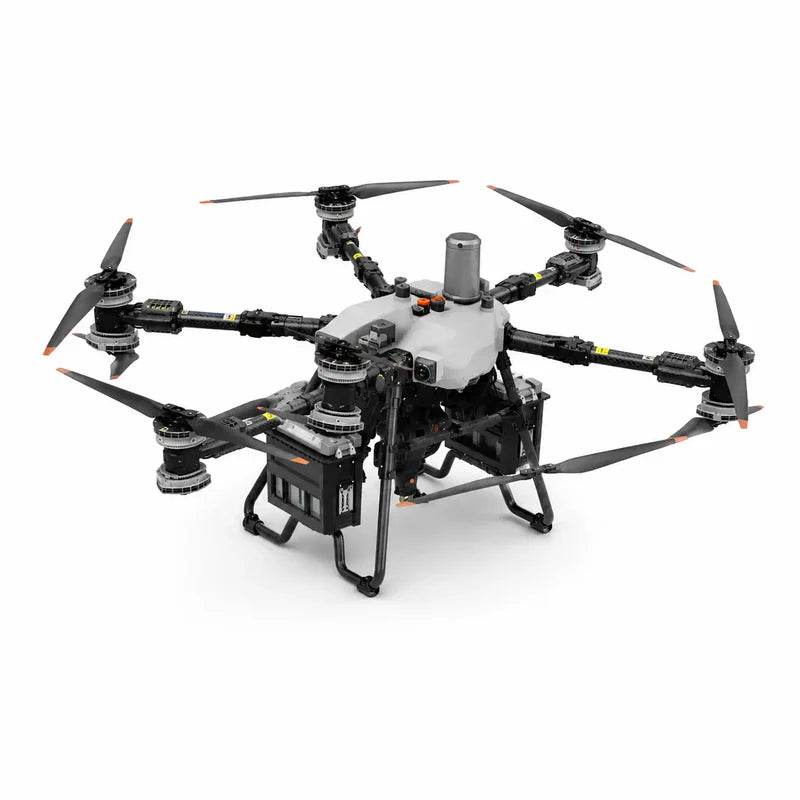
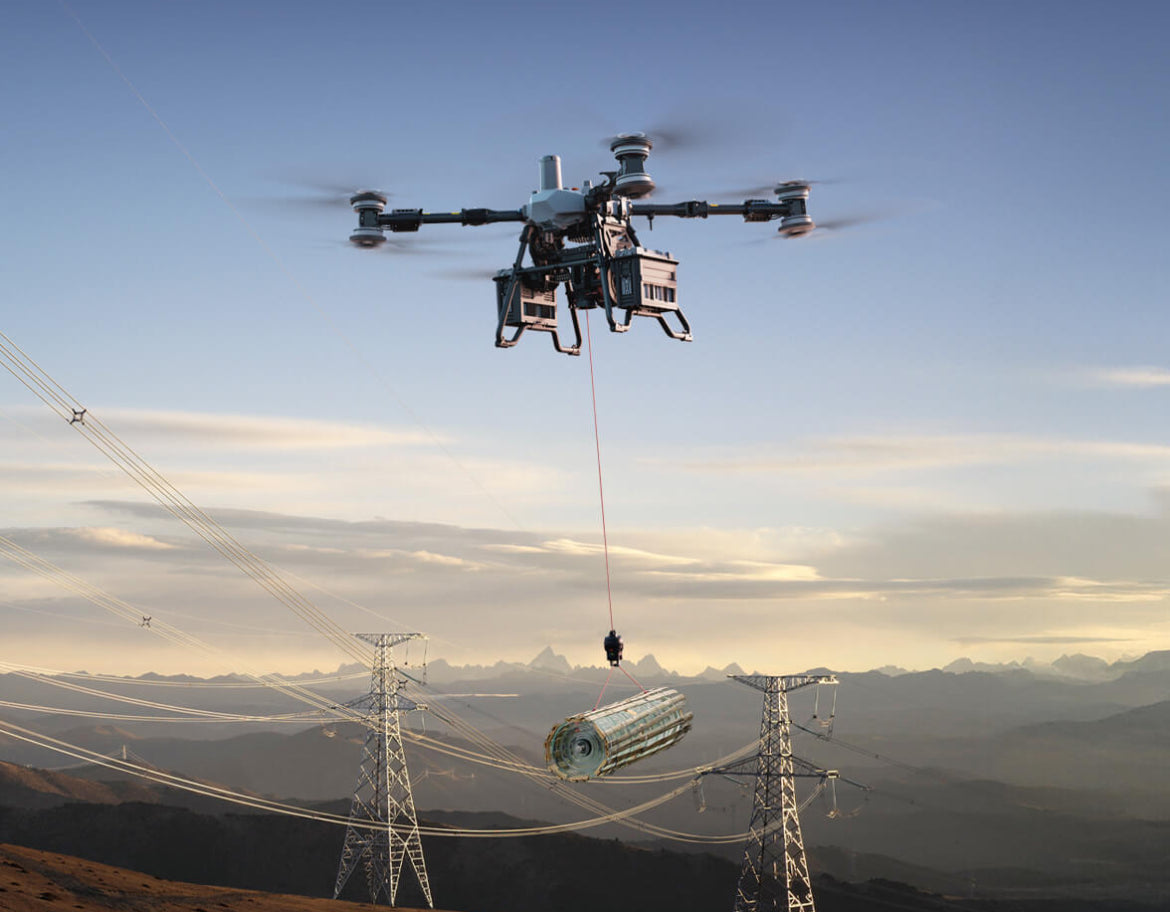
FlyCart 100