
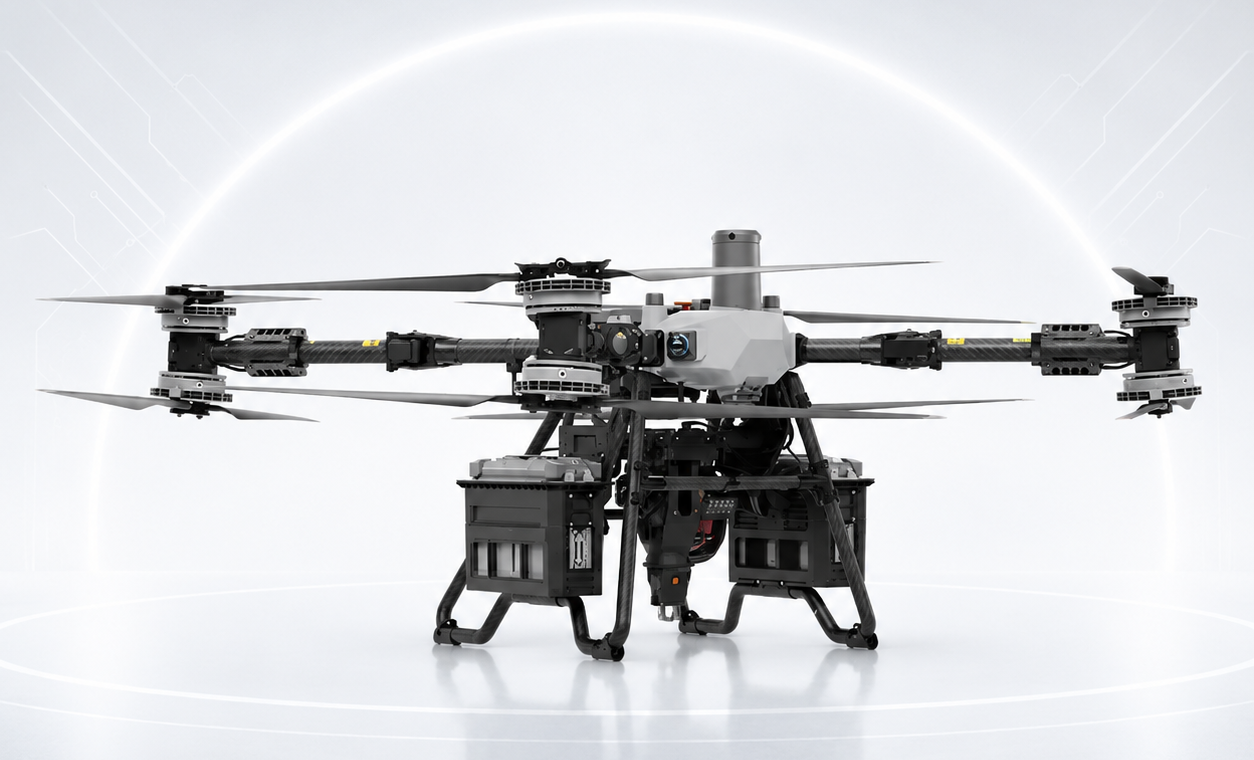
Aircraft & field setup
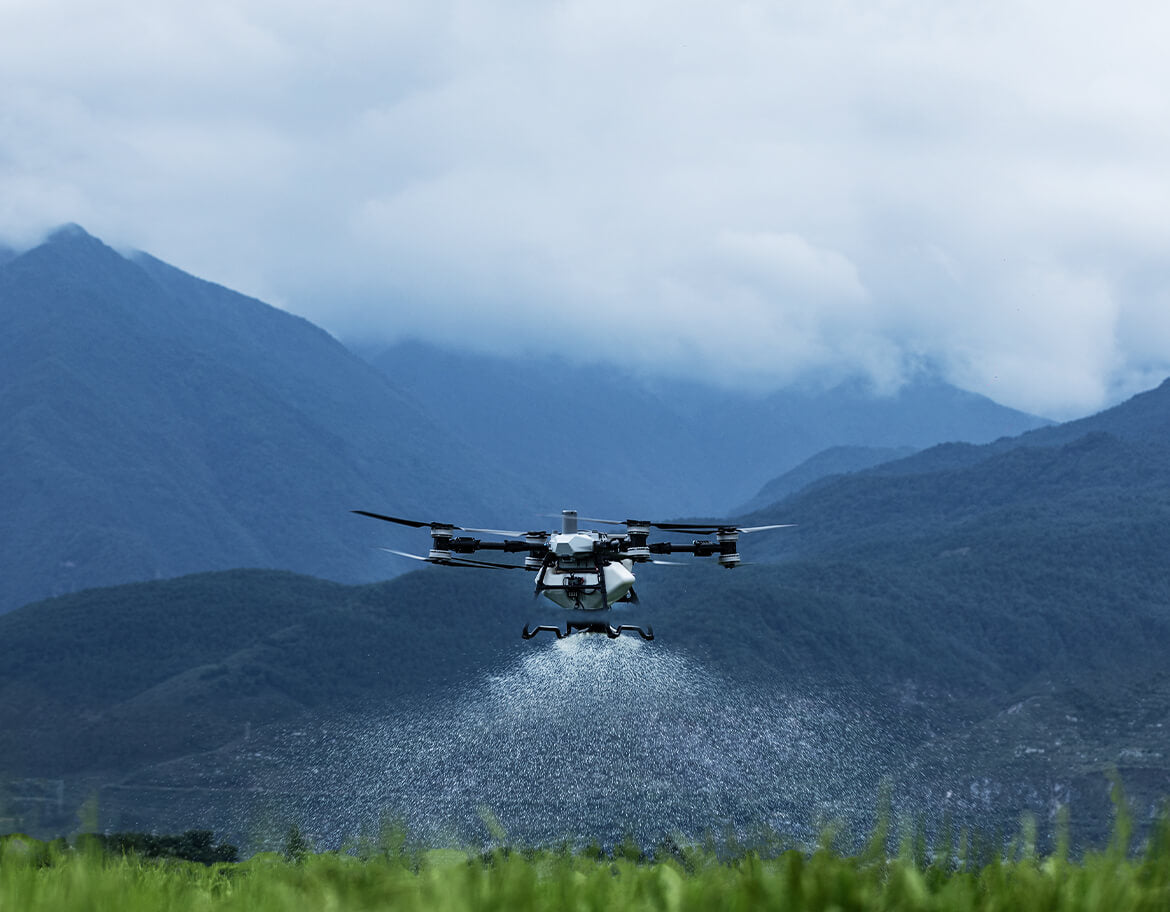
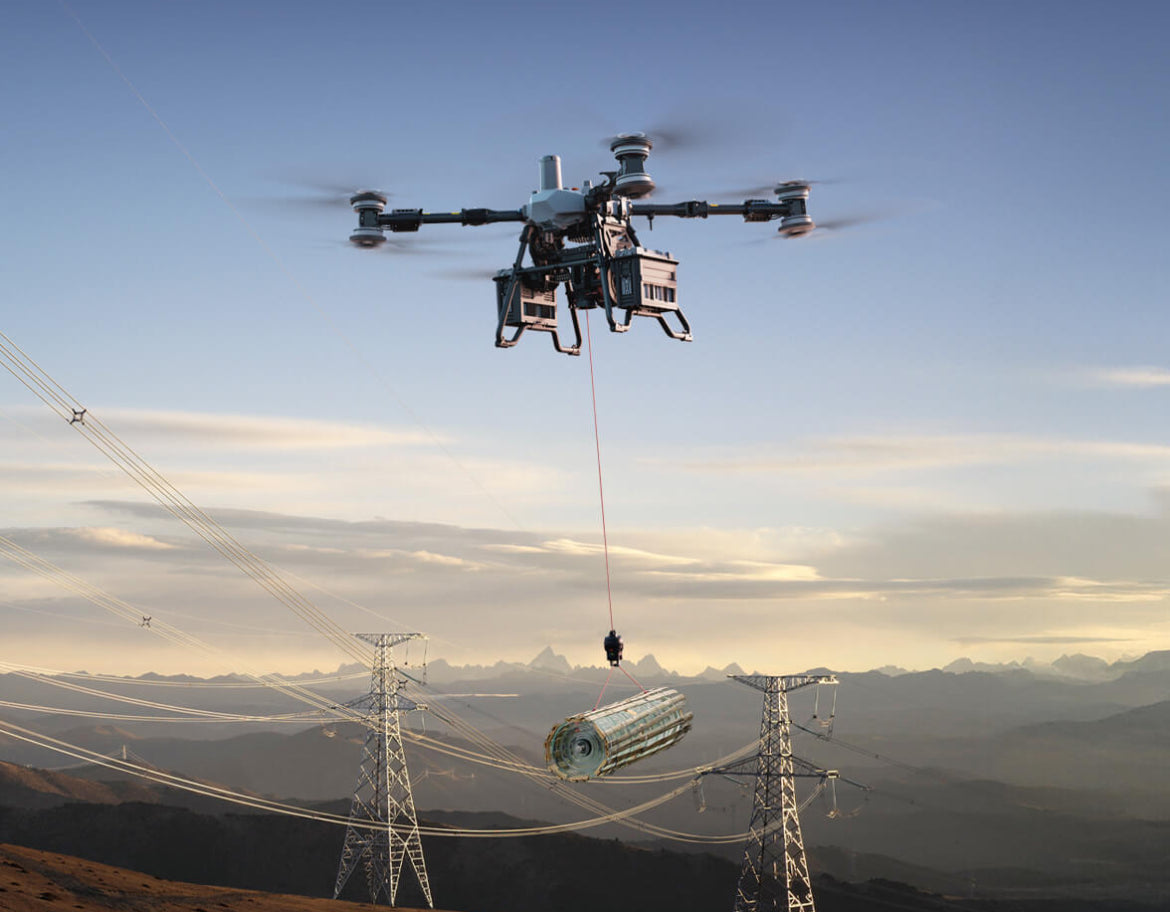
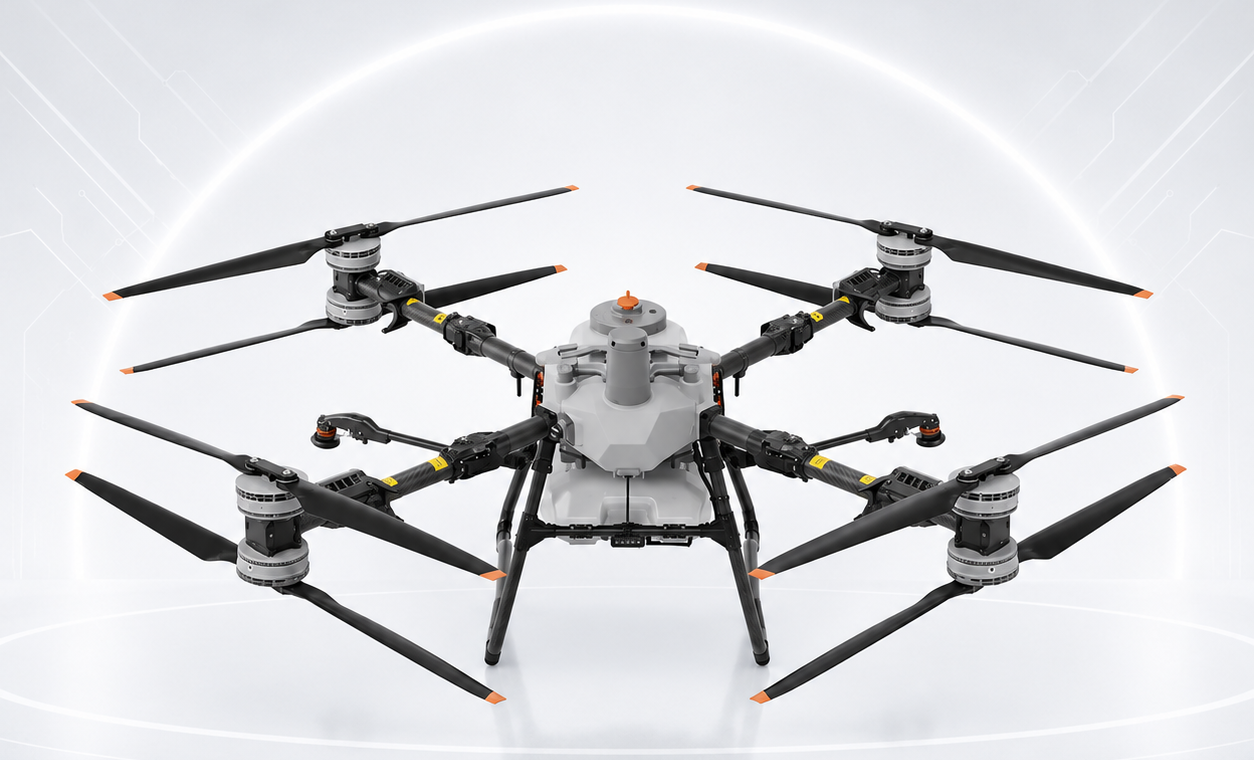
Two T100 aircraft with application, battery and power equipment. Your itemized proposal defines quantities, accessories and the support rig.
YOUR BUSINESS. YOUR ACRES. YOUR NEXT CHAPTER.
Launch your agricultural drone application business with two DJI AGRAS T100s—and a team behind the equipment, training, and launch plan.
Proposed packages: $170,000 with your pickup · $200,000 with pickup allowance
THE INVESTMENT
Equipment. Preparation. People behind you.
WITH PICKUP ALLOWANCE
$200,000approx.Includes a proposed $30,000 pickup allowance.WITH YOUR SUITABLE PICKUP
$170,000approx.The same proposed program, without the pickup allowance.Both options include a proposed $20,000 startup working-capital allocation. Final scope, allowance terms and additional charges are confirmed in writing. This is a package budget, not your entire seasonal capital requirement.
01 / THE COMPLETE PICTURE
Bring the moving parts of a business launch together. See what you’re buying, who delivers it, and what comes next.
Application equipment, field power and a support configuration specified for your proposed operation.
Explore the aircraft combo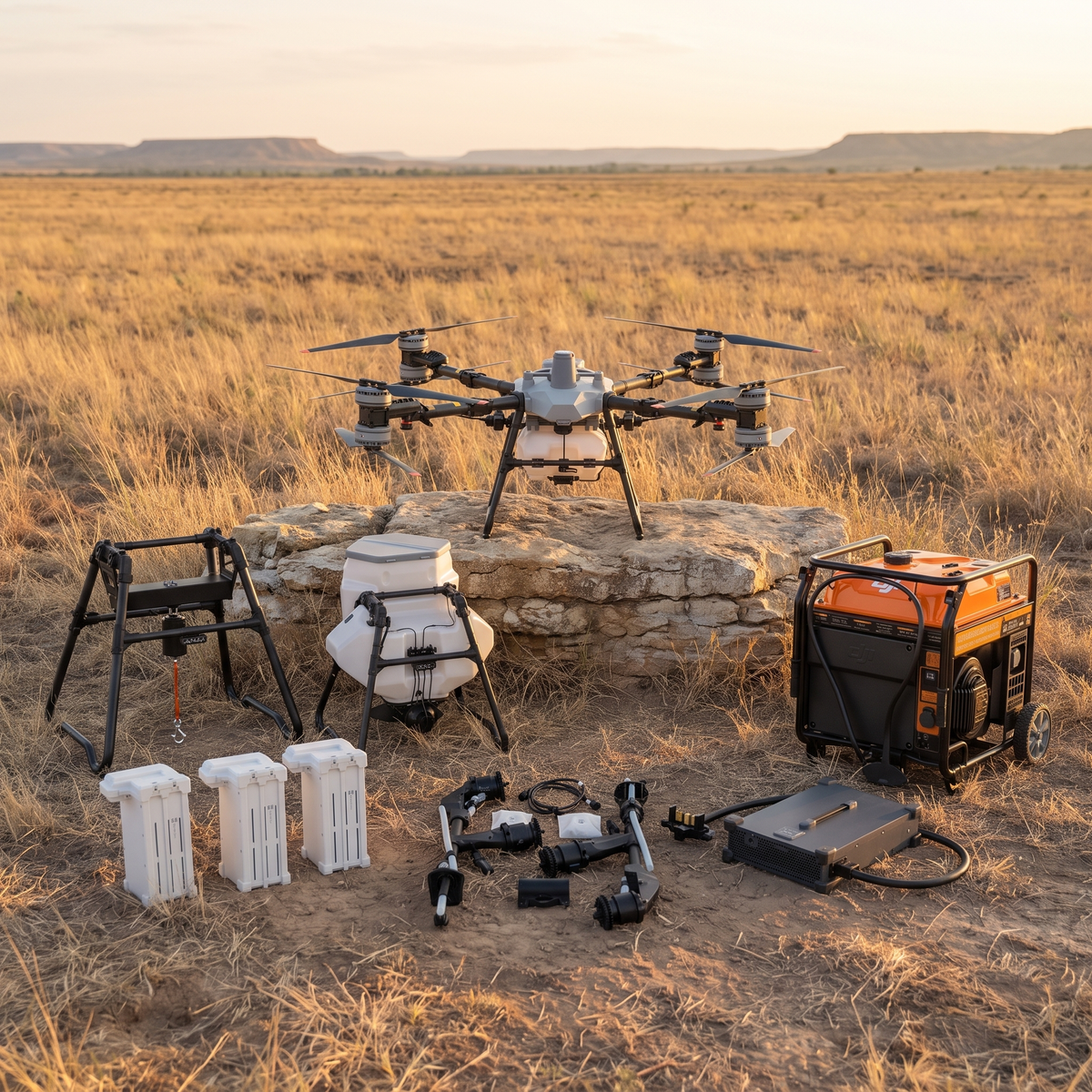
Two T100 aircraft with application, battery and power equipment. Your itemized proposal defines quantities, accessories and the support rig.
A pickup allowance or the option to use your suitable truck, plus a proposed $20,000 working-capital allocation. Funding and allowance terms are defined in writing.
A plan built around your territory, acreage opportunities, staffing and cash flow. Organized information for lender discussions; approval and terms remain with the provider.
Help preparing the requirements relevant to your operation and coordinating with licensed insurance providers. Regulators and insurers make their own decisions.
Preparation for your agreed equipment configuration and field workflow. The proposal defines the syllabus, location, duration and travel arrangements.
A business website and practical plan for reaching growers and referral partners. Scope, hosting, ownership and any advertising spend are defined in the proposal.
A defined support contact and process after delivery. Review availability, service terms, repair arrangements and parts charges before committing.
Your proposal separates equipment, services and allocations, and identifies freight, taxes, premiums, licensing fees, training travel and other third-party charges as included or additional.
02 / BUILT AROUND YOUR STARTING POINT
The best launch starts with what you already know: your growers, your crops, and the work your market needs.
Plan for your own application needs and potential custom work, with a calendar that respects your farm’s peak season.
Discuss how two-aircraft capacity could fit your existing crew, customers and systems. Your proposal should reflect what you already have.
Turn grower relationships and an identified need into a business plan with clear equipment, staffing and capital requirements.
This is an actively managed agricultural service business. If you plan to hire a manager, include management, sales responsibility and payroll in the plan.
03 / FROM CONVERSATION TO FIELD WORK
Start with fit. Get the details in writing. Prepare the business and the people who will run it.
Discuss crops, grower relationships, experience, capital and your target launch season.
YOUR FIRST CONVERSATIONReview exact equipment, services, allocations, responsibilities and additional charges.
DETAILS BEFORE COMMITMENTCoordinate planning, licensing preparation, insurance and financing discussions while you develop customers.
TIMING DEPENDS ON READINESS & APPROVALSComplete the agreed setup and training. Begin work when required approvals, insurance and customer arrangements are in place.
YOUR TEAM. YOUR OPERATION.WE BRING IT TOGETHER
SyntionAG coordinates the agreed configuration, training and business-launch services.
YOU BUILD THE BUSINESS
You manage the operation, provide capital and personnel, win work, and maintain the required approvals and insurance.
04 / THE BUSINESS BEHIND THE AIRCRAFT
A national market statistic doesn’t book a local field. A useful plan starts with identifiable customers, suitable jobs and the capacity to deliver.
You don’t need a finished business plan. A few practical details make the conversation more useful.
Compare realistic lower-volume, expected and higher-volume scenarios. Separate annual fixed costs from acreage-dependent costs, then include debt payments, owner compensation, taxes and cash reserves. Evaluate when cash arrives as well as how much revenue is invoiced.
A two-aircraft setup can add capacity and flexibility when demand and staffing support it. Production assumptions need representative field evidence; aircraft count alone does not determine output.
The proposed $20,000 working-capital allocation is a starting component. Your seasonal cash-flow plan determines additional capital requirements.
05 / THE PEOPLE BEHIND YOUR LAUNCH
Equipment questions don’t end at delivery. Understand the training, technical support and parts arrangements before the season begins.
Get to know SyntionAG
Authorized DJI Agriculture dealer
Lewisville, Texas
Review the actual training scope and how it relates to your proposed field workflow.
Get availability, response arrangements, escalation and service terms in writing.
Discuss critical parts, availability, repair options and downtime contingencies.
BEFORE YOU INVEST
Start with the details that matter to your decision.
Ask about your operationNo. This is an equipment and business-launch program. Your website and marketing plan support customer development; they do not guarantee accounts, contracts or bookings. Your business is responsible for winning and serving customers unless a separate written agreement expressly states otherwise.
Yes, if it is suitable for the planned towing and payload. Removing the proposed $30,000 allowance reduces the package budget from approximately $200,000 to approximately $170,000. Truck suitability and allowance arrangements are confirmed in writing.
It is proposed startup working capital, not a complete seasonal budget. Your written proposal defines how it is provided and any restrictions. Your cash-flow plan determines additional funds needed before customer payments arrive.
The program includes business-plan and financing preparation. Providers determine approval, eligible costs, required contribution, rates and terms. Discuss which equipment and service components may be eligible before relying on financing.
No. SyntionAG helps organize preparation for the requirements applicable to your operation. Regulators make their own decisions and set their timing. Your actual approvals determine how you may operate.
Your written proposal identifies each included or additional charge, including freight, taxes, insurance premiums, licensing fees, training travel and third-party services. Review the final scope alongside your seasonal operating budget.
That depends on the application requirements, fields, conditions, crew and refill and charging arrangements. Use representative production evidence for your job mix rather than treating a best-day benchmark as expected output.
Tell us what equipment, people, approvals and business systems are already in place. The conversation can focus on the configuration and support appropriate to adding capacity.
Your target season is a planning input, not a guaranteed date. Equipment availability, preparation, approvals, insurance, training and customer arrangements determine readiness. Ask about the schedule for your proposed operation.
LET’S TALK ABOUT YOUR NEXT SEASON
Discuss the work you want to serve, the people who will run it, and the investment it takes. Leave with a clearer next step.
01Review your service area and starting point
02Discuss the proposed $170K–$200K program
03Identify what’s needed for a written proposal
Prefer to call? 972-360-8932